
#54: Spectacle isn't strategy
Can an branded experience create a sense of belonging? Agency EA's Joanna Badamo thinks so
Joanna Badamo, VP of Creative at Agency EA has a one-question test for whether an event actually helped your brand or just served as a backdrop to a very expensive party: Could a competitor have put on the exact same event, and no one would notice?
Events are a part of the comms toolkit that I personally think are incredibly challenging. They have a whole slew of unpredictable and complex parts: dietary needs, weather, a suite of vendors, traffic, strikes, and because they’re often a one-time occurence, the ability to “self correct” is well, limited.
But a well-done event can close deals. Win candidates. Get that story. And, really, fully engage people.
Today, Joanna tells us how to approach events in the age of AI.
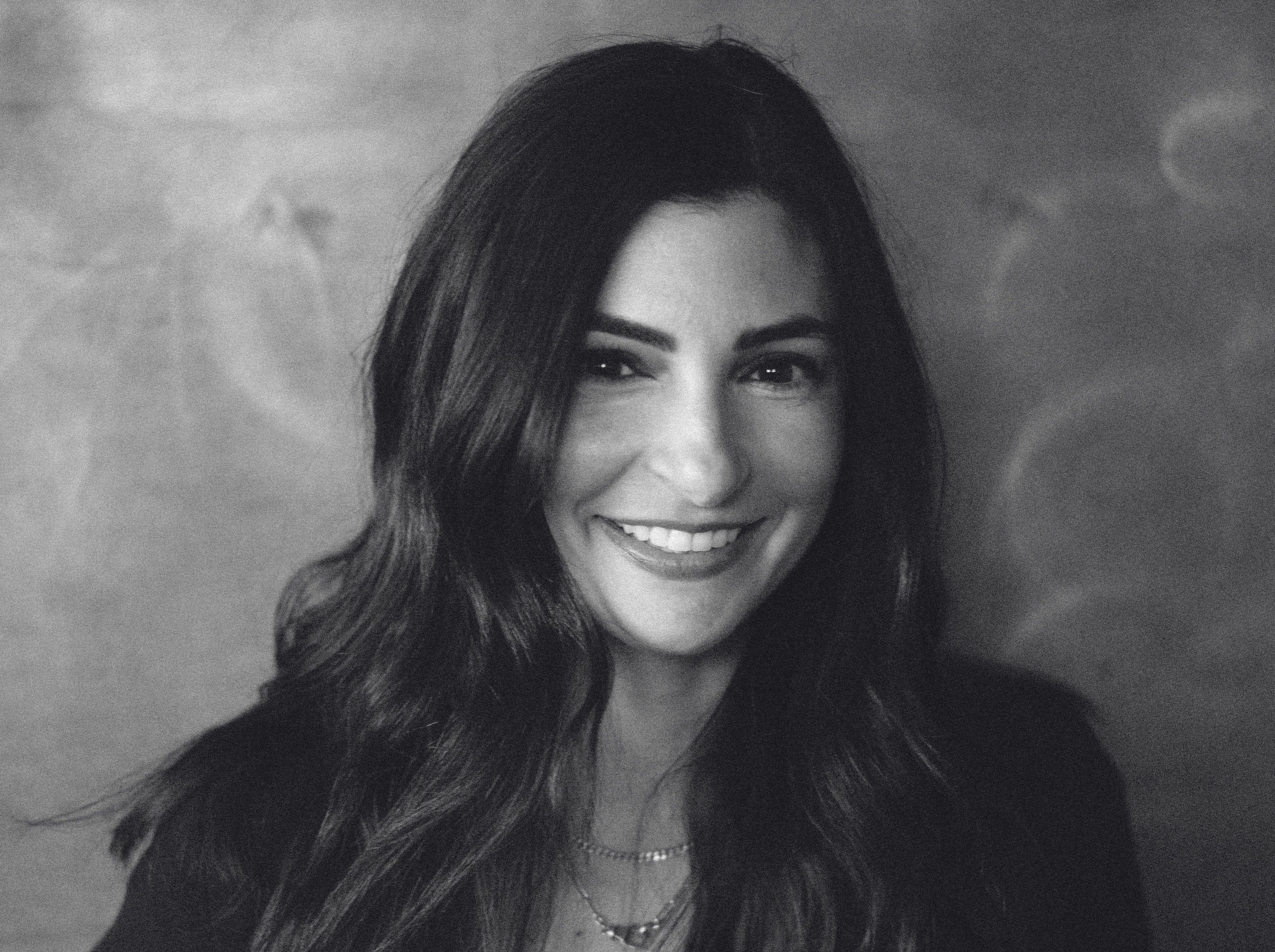
AI means any brand can produce decent creative in minutes. What does a live, in-person experience have to do now to justify its budget? What are smart brands measuring and why?
We are living through a full-blown digital trust deficit, which drastically ups the stakes for live events. An IRL experience has to act as the ultimate antidote to digital fatigue by facilitating deep human connection.
To justify this spend to a CFO, smart brands are shifting their mindset from event planners to experiential marketers, throwing out vanity metrics like total registration in favor of behavioral data. They are utilizing passive RFID and smart badges to track dwell time and spatial engagement, proving interest through physical action rather than speculation.
By weaving AI directly into this infrastructure, brands can synthesize these real-time data inputs instantly, converting raw metrics into actionable insights that optimize the live experience through on-the-fly personalization.
You’ve worked with Samsung, Molson Coors, Hilton. What’s the most common mistake you see when a brand confuses a great event with great brand building?
The most common mistake I see is when a brand confuses a grand spectacle with a great strategy. It’s incredibly easy to pour hundred of thousands into a jaw-dropping, Instagram-worthy footprint or a massive headline musical act that leaves attendees saying, “Wow, that was an amazing party.” But if you can strip the logos off the walls and that exact same experience could have been thrown by your competitor, you haven’t actually built brand equity.
True brand building requires a meticulous, intentional balance of purpose, function, and beauty. Every design choice, spatial flow, and activation must organically reflect the brand’s core ethos; if your brand values effortless utility, but your event requires guests to navigate a complex venue layout or stand in long queues, your experience has failed the brand’s story, no matter how gorgeous the scenic architecture is. The live environment must actually feel like the product or service itself.
Let’s talk about the art of briefs. What goes into a great brief? How can agencies guide clients/partners to do them better?
A sharp brief is deeply anchored in human behavior and strategic objectives, outlining exactly who is walking through the door, what business problem we are trying to solve, and how we want those attendees to feel when they leave. True creativity actually thrives within constraints, so the brief needs to lay out the boundaries of the box (the budget, spatial dimensions, compliance, timeline, etc.) without dictating the exact creative output.
As agency partners, our responsibility is to guide our clients by asking what emotional response or specific piece of information that feature is meant to deliver. Once we uncover the root objective, our strategy and design teams can pitch a proprietary alternative that is twice as impactful and flawlessly tailored to the brand. Clients must brief agencies on the destination, and trust us to build the map.
Is there still space for art and creativity in the era of AI?
The definition may look a bit different, but the artistry coveted in today’s times comes from the invisible hand behind the prompt — from the behind the scenes minds that retain the big picture strategy, the nuances of the brand, the technical expertise alongside the aspirations of the attendee and uniquely apply that dimension to a generated spark.
As marketing becomes increasingly automated, I think the future belongs to organizations that combine technology with genuine human empathy and accountability. The tools will continue to evolve.
Human judgment, creativity, and emotional intelligence are what will determine whether those tools actually create meaningful experiences.
At Agency EA, we’re a women-led, employee-owned organization, which means the people creating experiences also have a direct stake in their success. That ownership mentality fundamentally changes the way we approach our work. Our teams aren’t simply executing against a client brief; they’re thinking like business owners, asking harder questions about ROI, audience behavior, long-term impact, and brand trust. That depth and care is what elevates a straightforward client ask into a creatively crafted solution.
Thanks for reading and subscribing! For those of you looking to expand your skills, I highly recommend joining Off The Record, Gab Ferree’s community of comms besties. There are workshops, office hours, and a hive minded of like-minded folks like me. Join via my affiliate link here.